The challenge
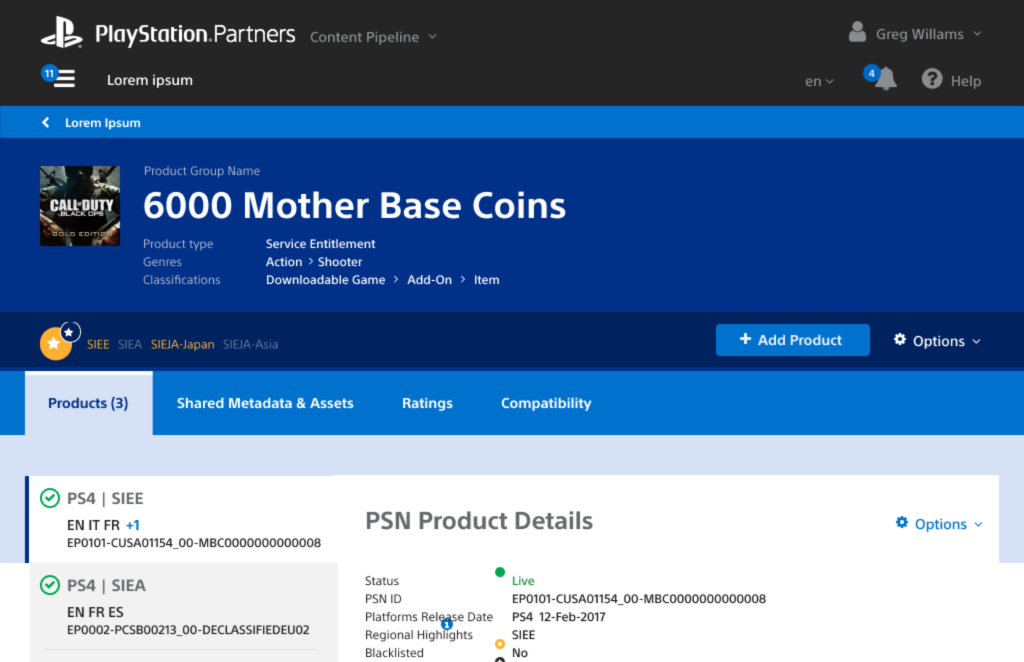
The submission experience became disjointed across markets. The platform had to make it easy for internal users (sales reps, account managers) to ask for information, assets, and other material. Third party game developers needed a platform for submitting a game concept and advancing in the process.
The goal was to be consistent. The MOLT programme should accommodate four markets (US, Europe, Asia, Japan), yet maintain one platform experience. It meant that the local experience shouldn't require developers to reset the process whenever they switch between markets.
People aspect also played a significant role in the project. It required managing expectations on both client (Sony) and contractor (PortalTech Reply) sides. Momentum and coordination between teams located on all four continents was equally important.
Role
As a Lead UX, I helped with shaping problems, discovery, and solution design throughout the full cycle. I also managed over 14 UX designers, making sure our work progressed by means of design critiques, iteration and sharing of patterns.
Part of my role consisted in making sure our team was aware of the actual problem and not focused on the next screen instead. Reviewing existing digital platforms, identifying common behaviors, discovering gaps and summarizing our findings was what I did for this project.
Approach to discovery
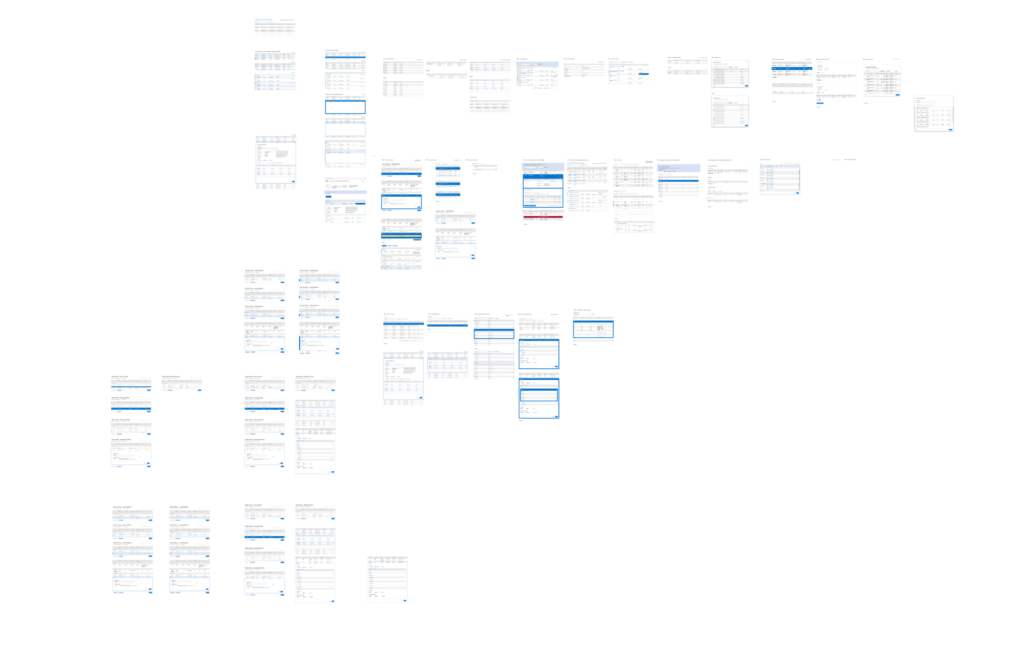
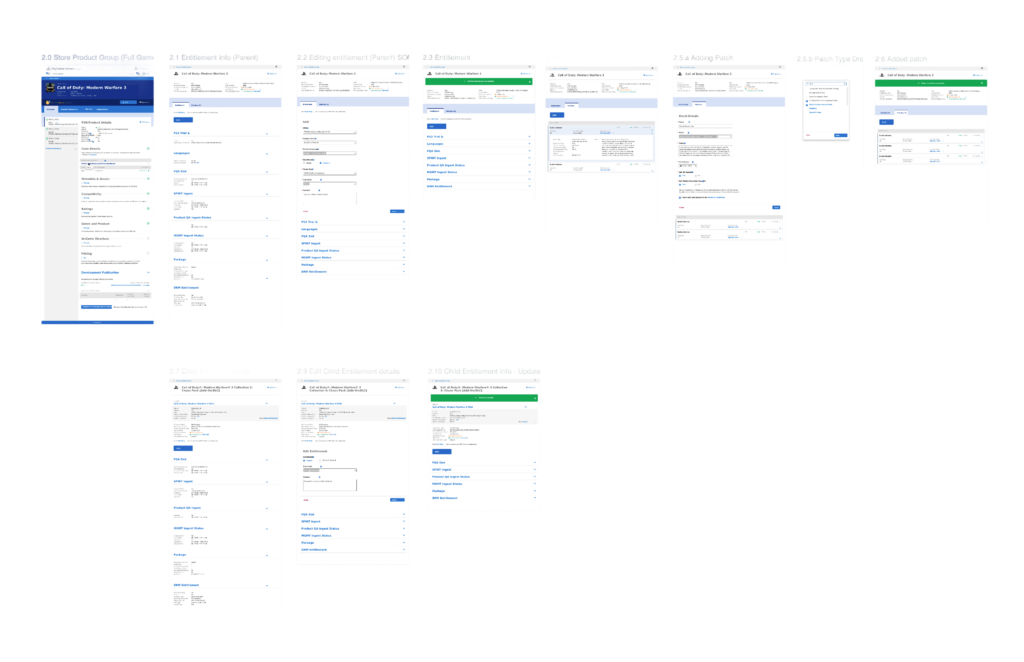
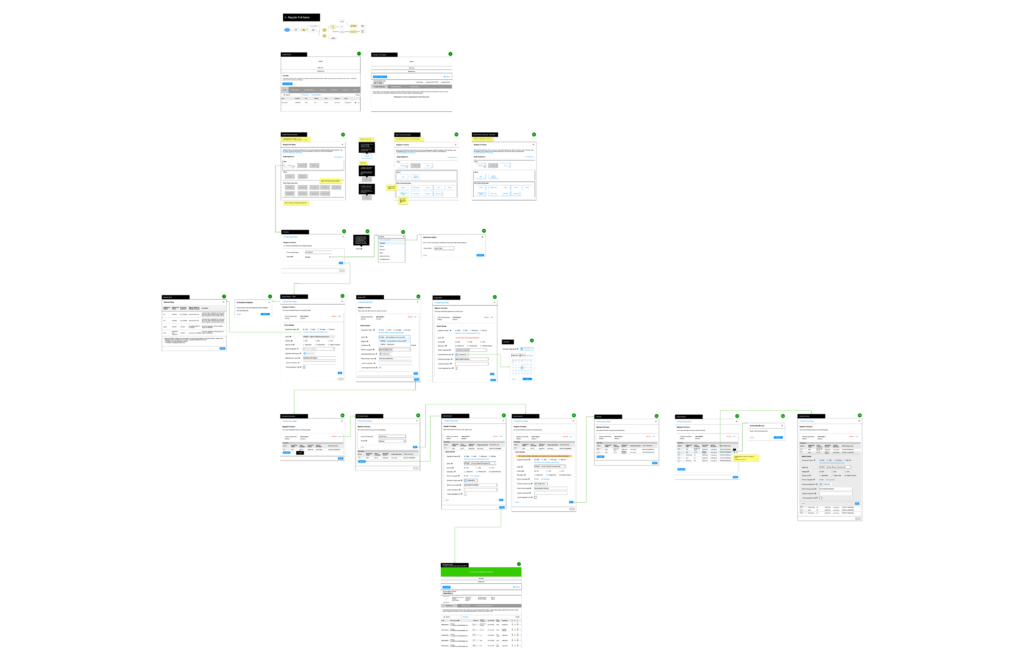
First, we looked into existing ecosystem and process flow for submissions. The idea was to identify consistent patterns of interaction, discover places where user experience stopped, and find gaps in the flow.
Afterwards, the focus was switched to workshops, discussions with stakeholders and walking through wireframes and user flows. The outcome included validation of information architecture, finding reusable UI patterns and defining patterns that would require design iterations.
The process was very pragmatic. Our efforts weren't spent on coming up with conceptual solutions but rather on building a cohesive package that would be clear to UX, development, and business stakeholders.
Programme scope
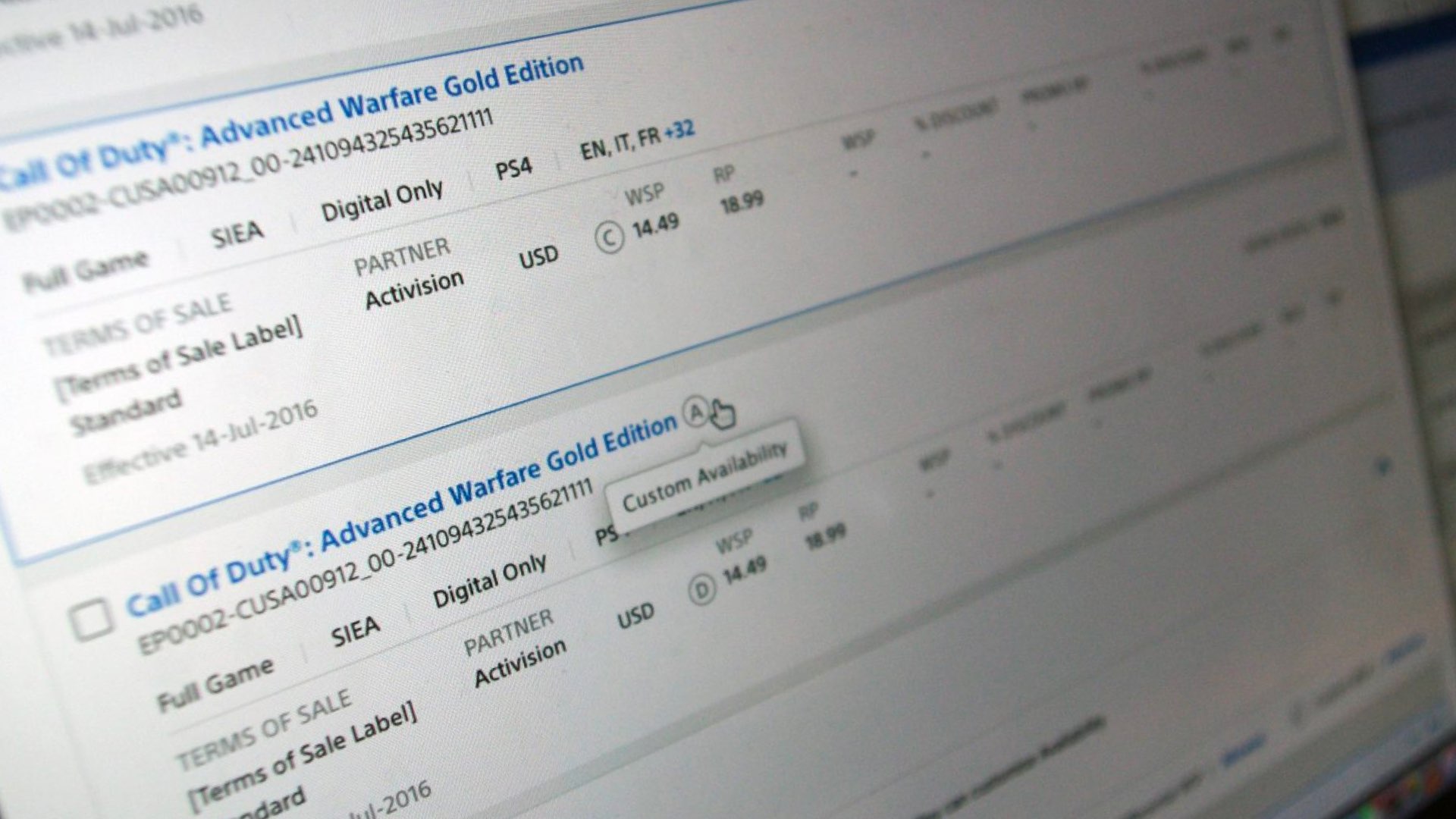
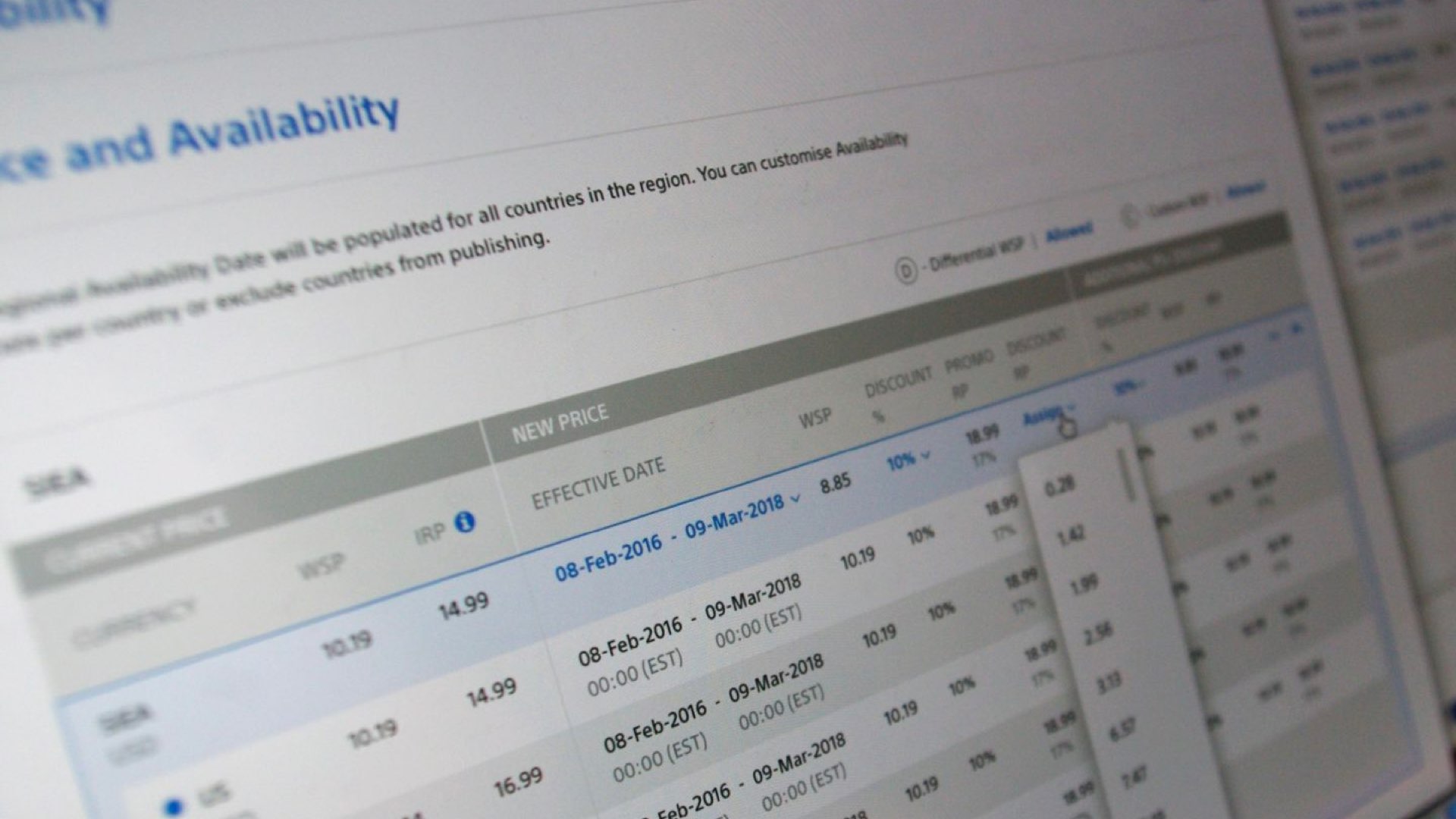
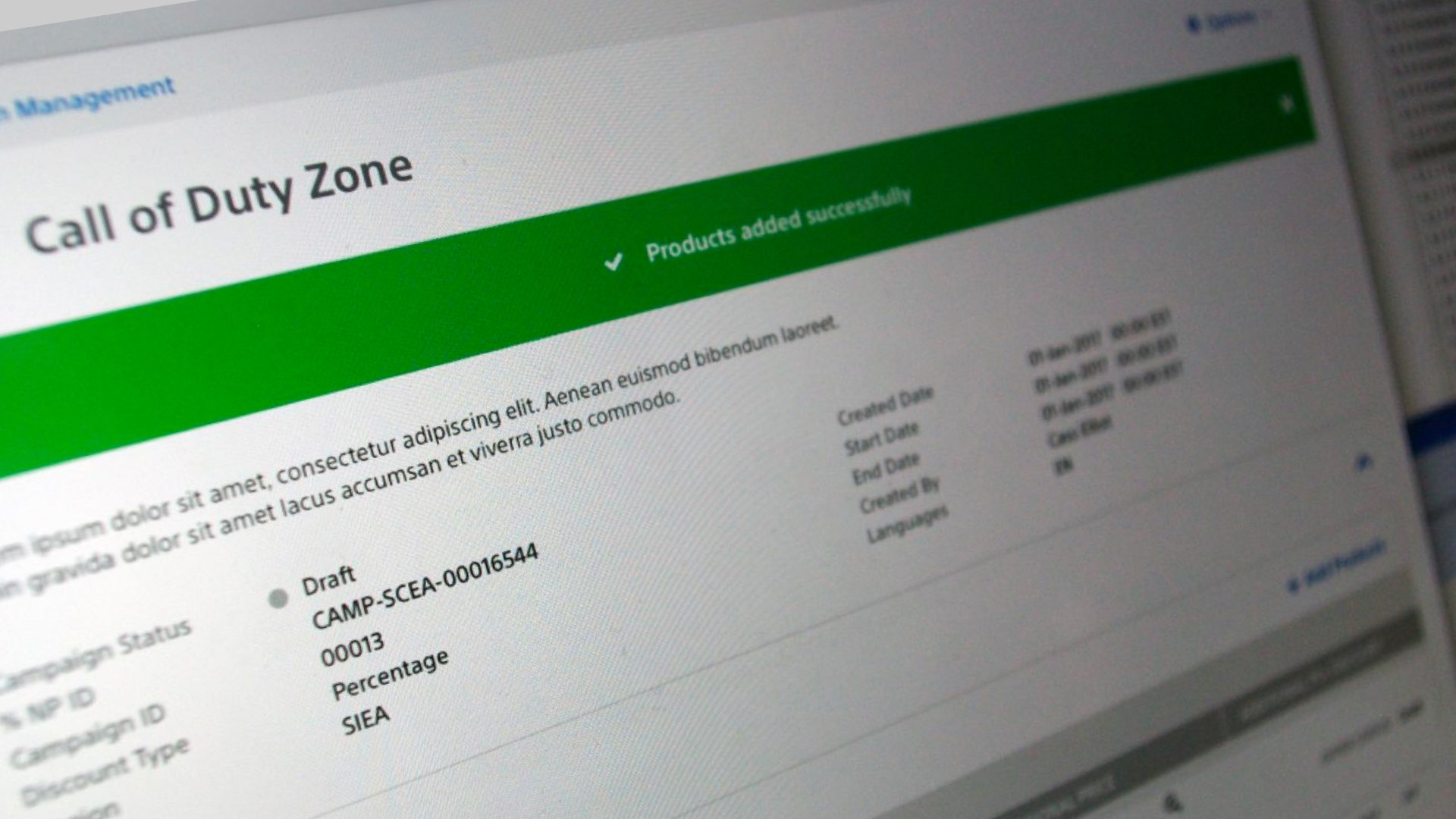
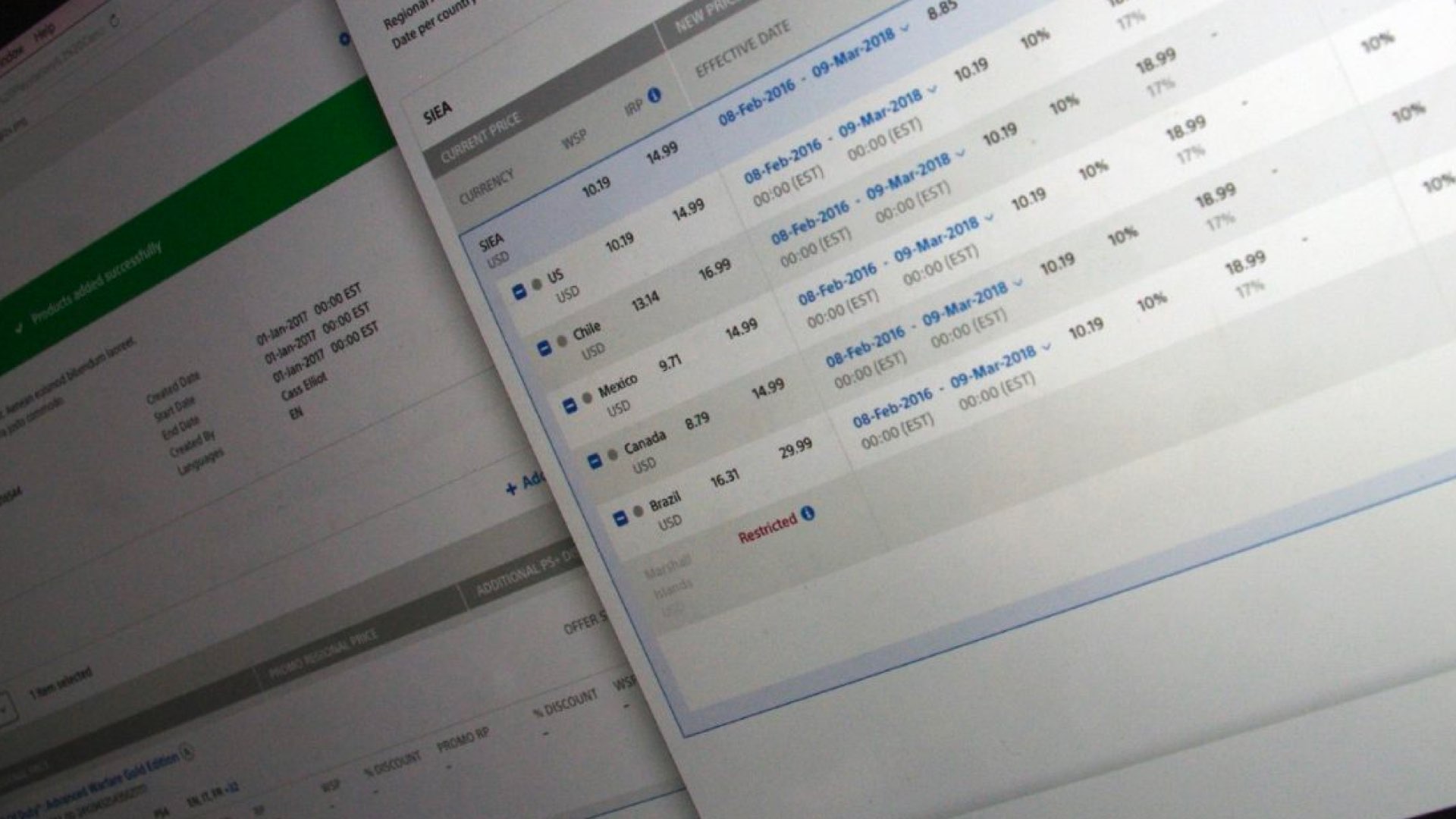
MOLT included over ten capabilities. Terms of Sale and Campaign Management were among the most important ones. Some other capabilities included Registration, Digital Asset Management, Creation of Game Concept, Validation and Submission, and User Management.
That meant our design process should focus on a full-life cycle of submission process rather than on individual capabilities. A developer could initiate a submission in one of the markets, provide the necessary material and move ahead through the process without having to reset the experience for another country.
Such wide scope gave the project a service design flavor. All capabilities should fit in the system as a whole to provide a seamless experience despite its complicated process underneath.
Collaboration with Front and Back-end developers
Working closely with a front-end team is crucial for any project. Walking through wireframes and user flows allowed us to assess whether capabilities were feasible and find areas of UI pattern reuse.
Such collaborative approach helped with reducing the risk of rework during later stages and making the handover more useful. Also, having common understanding of the process created common language for our team, making it easier to coordinate with engineering and design teams.
Stakeholders management
This project required special attention to stakeholders because there was disagreement between the client and the contractor on some issues such as scope, cost and deliverables priorities. Delays and risks associated with the project made it crucial to make the right decisions.
Handling stakeholders on all continents (US, Europe, Asia, and Japan) required communicating differently depending on target audience and time zone. Our success depended on making sure that everyone was aware of the situation and knew where we were heading.
Outcome
Primary outcome of our work was the ability to validate behavior and information architecture quicker than previously done. It helped the team move towards consensus and reduce uncertainties in the face of a potentially doomed programme.
Secondly, our effort helped create a more cohesive product for end-users since now a developer could start a submission in Europe and continue it in the US without renegotiation of the terms.
More broadly, our work helped shorten time to market by reducing friction between development teams, agreeing on requirements and providing the right platform structure.
Reflection
UX can bring order to chaos rather than adding to it. Besides obvious values of flows creation, this project showed how we can help clients with clarifying problems within cross-functional organizations.
Management at programme level played a key role in defining the final experience. Leading a UX team, collaborating closely with engineering, and balancing interests of the client and the contractor impacted final product as much as the user interface.
Outcomes
lorem