UX Context
We started with a discovery phase that led us to a first Beta release followed by an official commercial launch. Through each of the phases UX supported all types of stakeholders, from new joiners to PMs, external and internal users, third party partners and others.
Activities
User Research
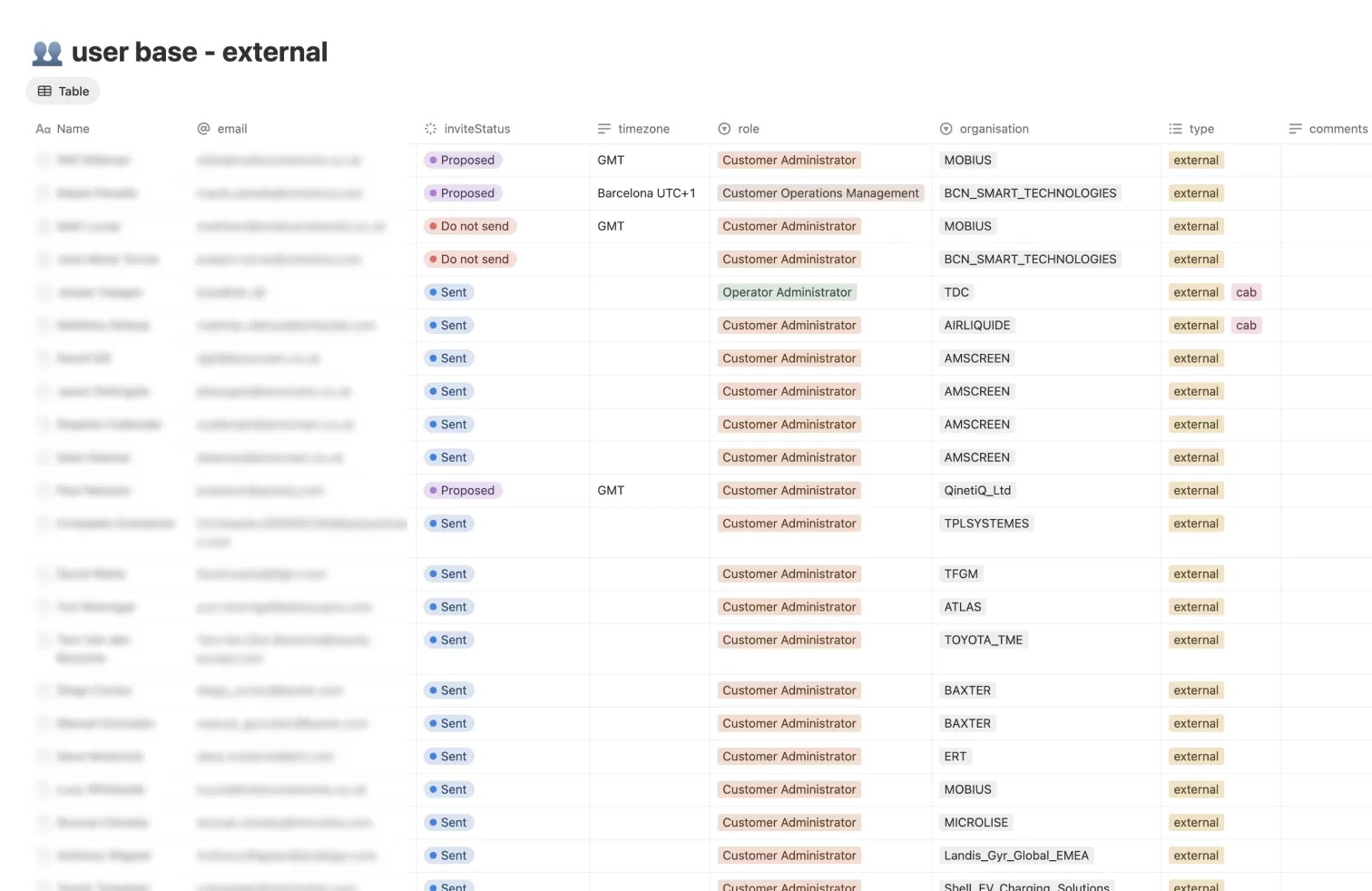
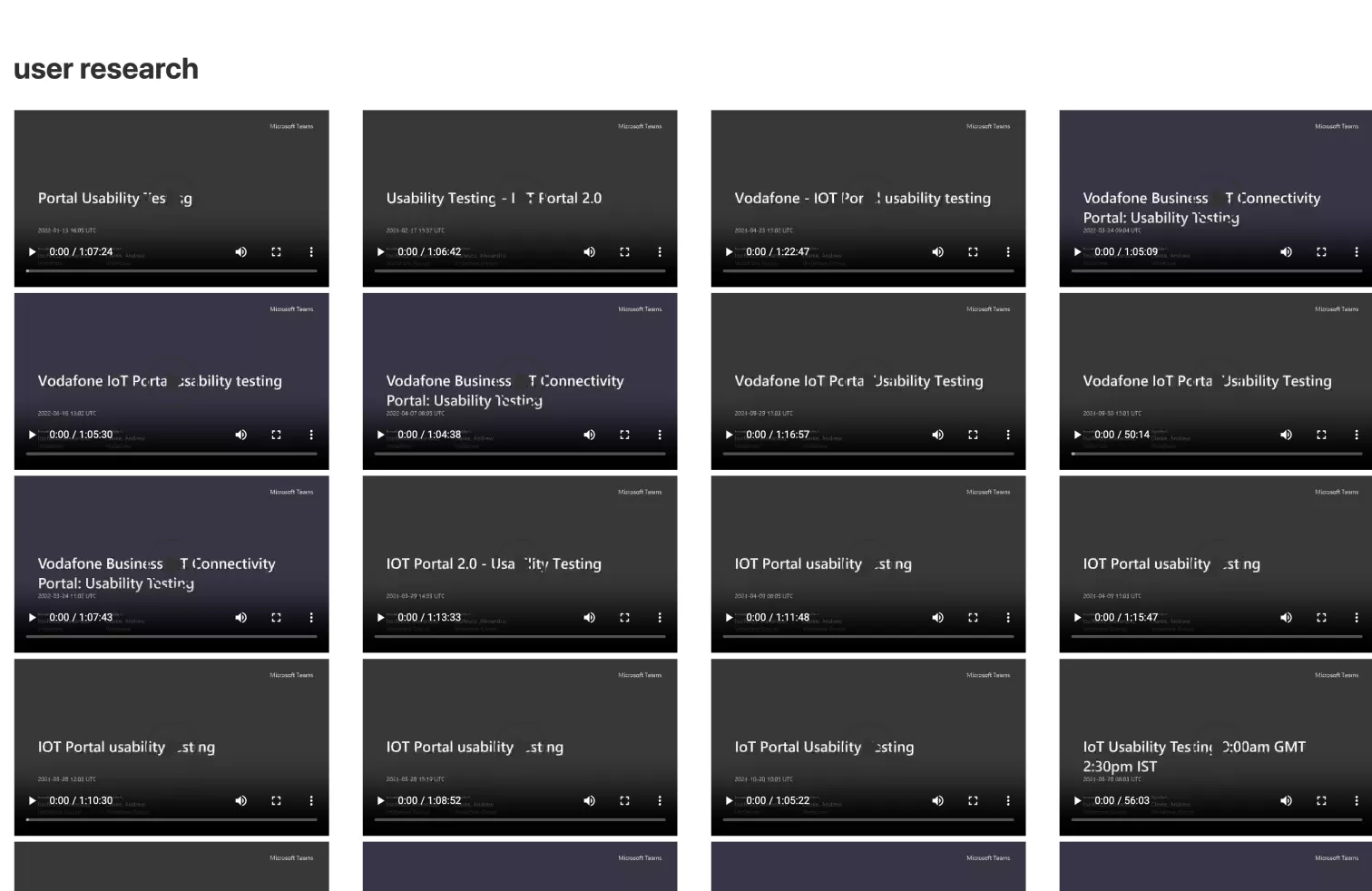
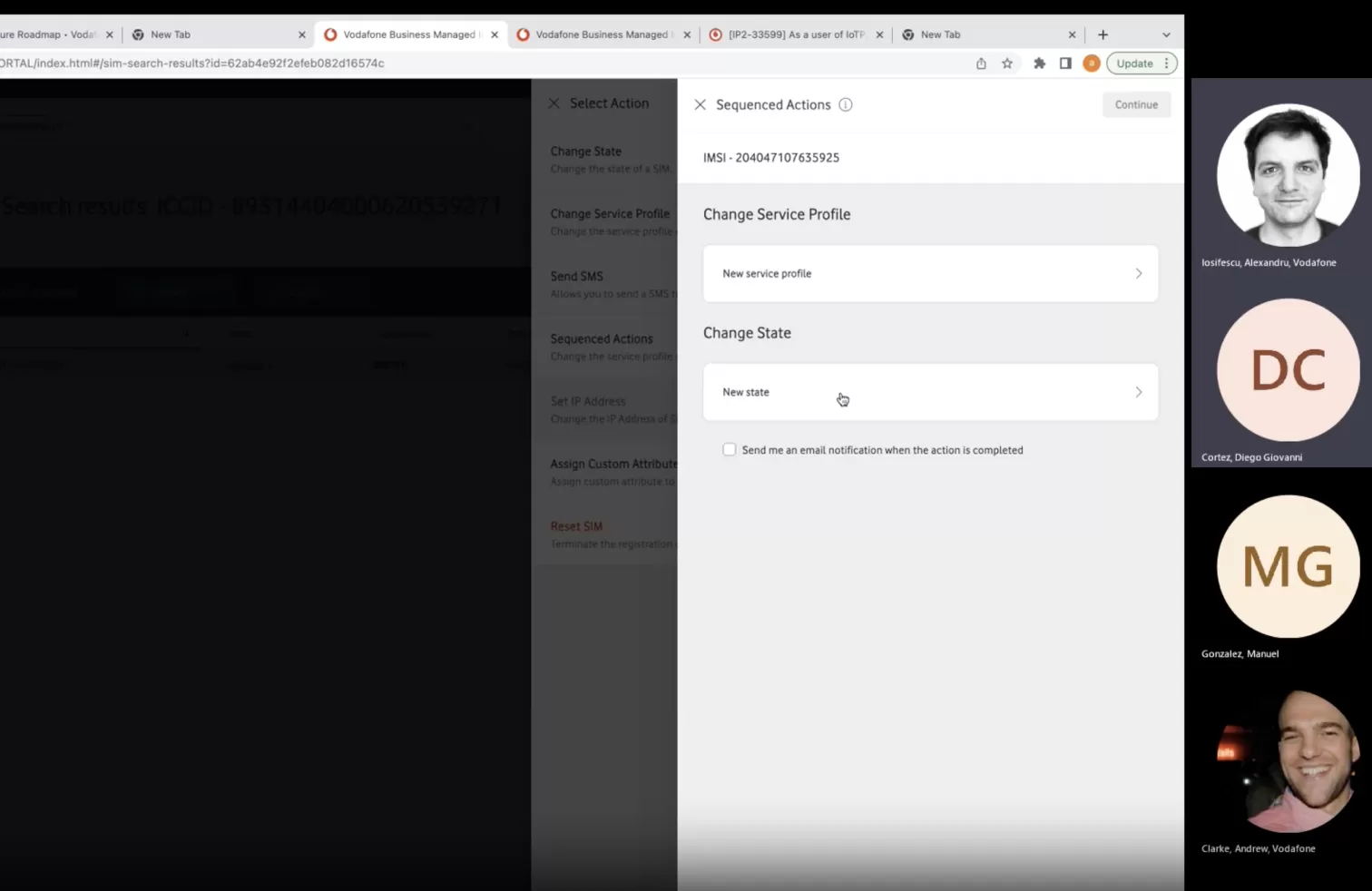
We carried out hundreds of hours of user research sessions. Both external and internal users were interviewed providing sometimes intriguing feedback about what and how the new product should behave and where it should position itself on the market.
User research sessions allowed us to establish a rapport between real users and the development team and to set expectations on both sides.
Wireframing
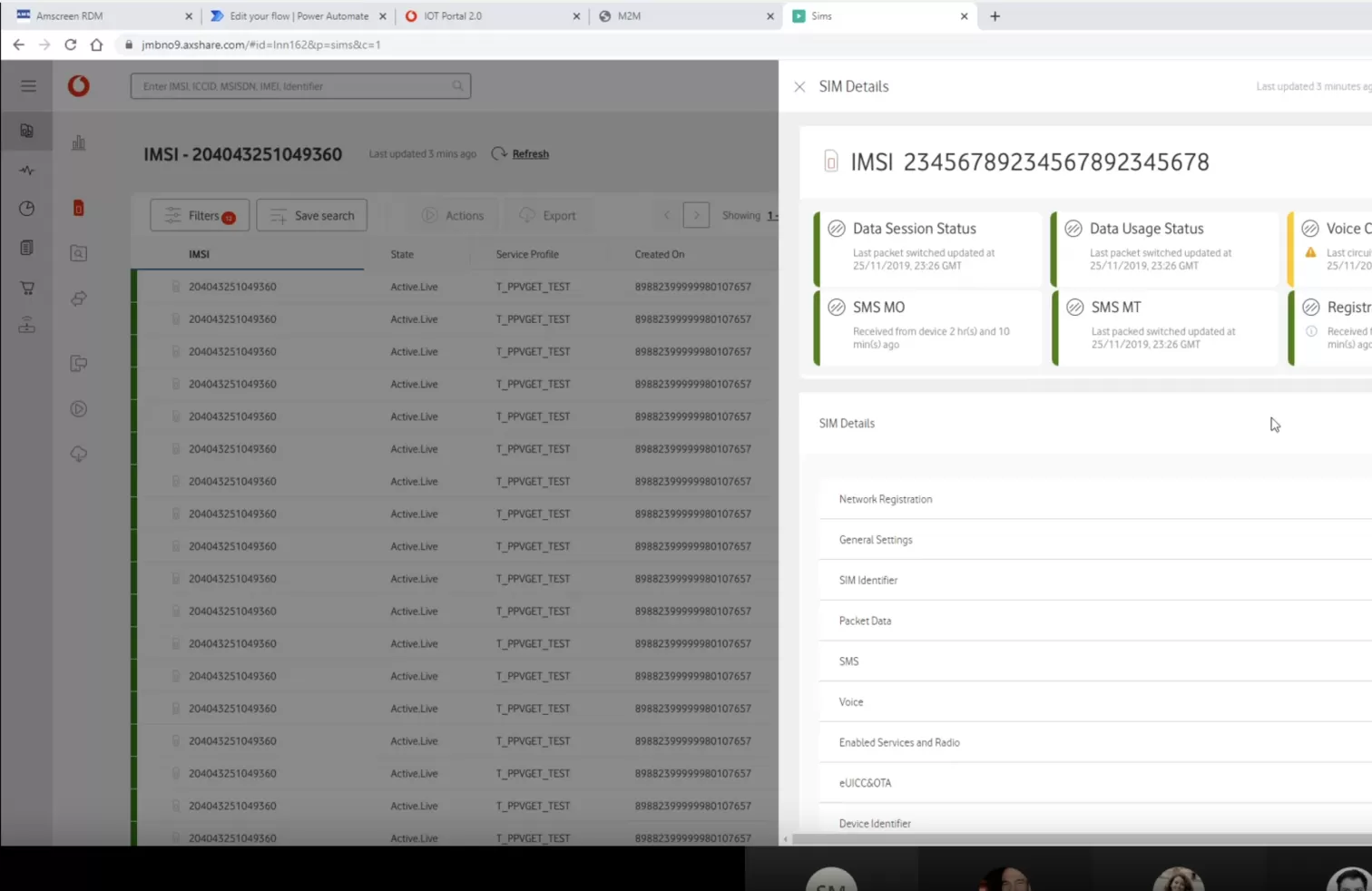
Starting with low fidelity wireframes to explore various scenarios is always beneficial as it is very easy to iterate, focuses the stakeholders on the functionality rather than the form.
Because sometimes they are incomplete, they provide a great opportunity to surface new ideas just by asking “What do you expect to be there?” when users point to a button or link
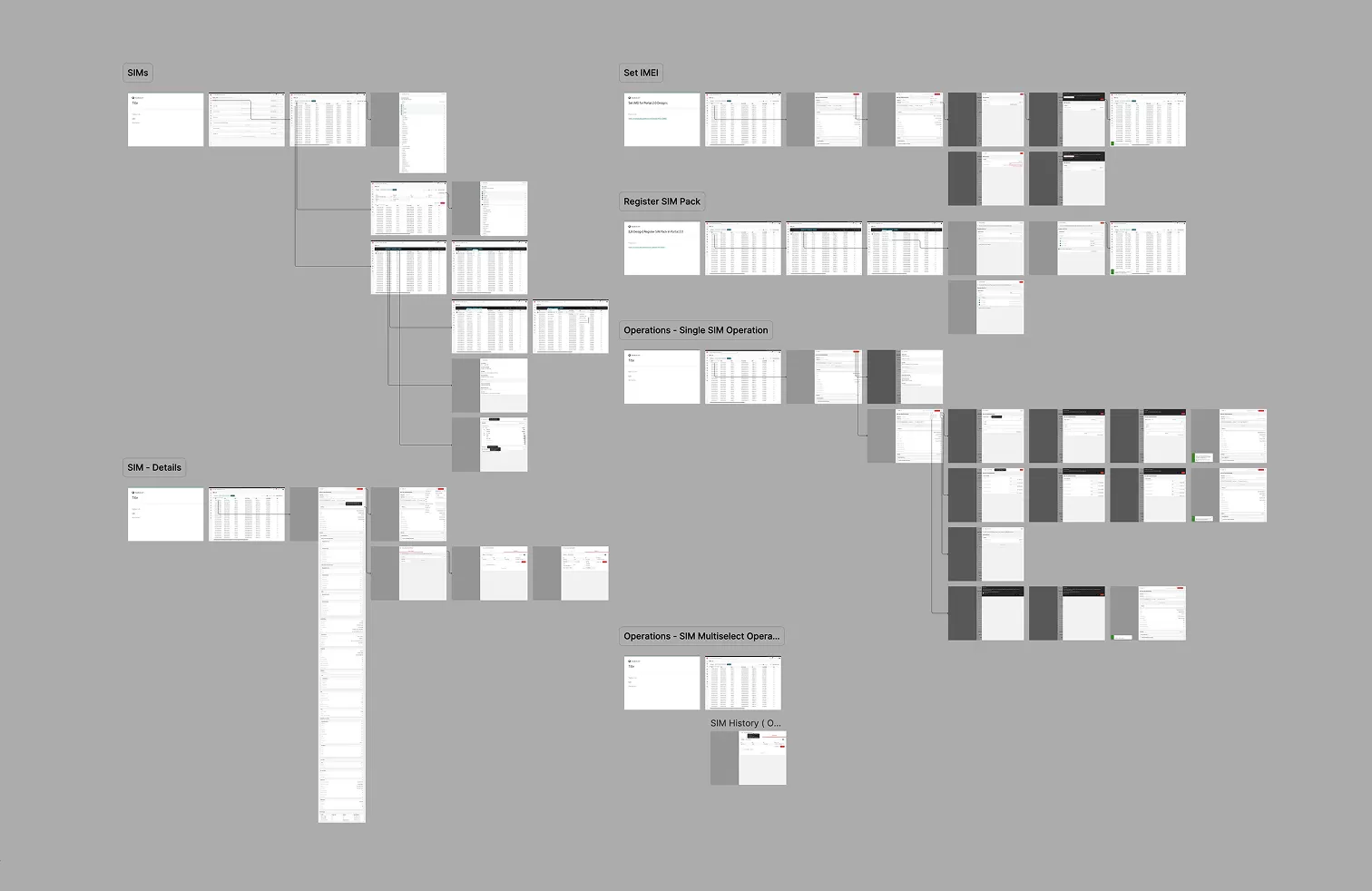
Prototyping
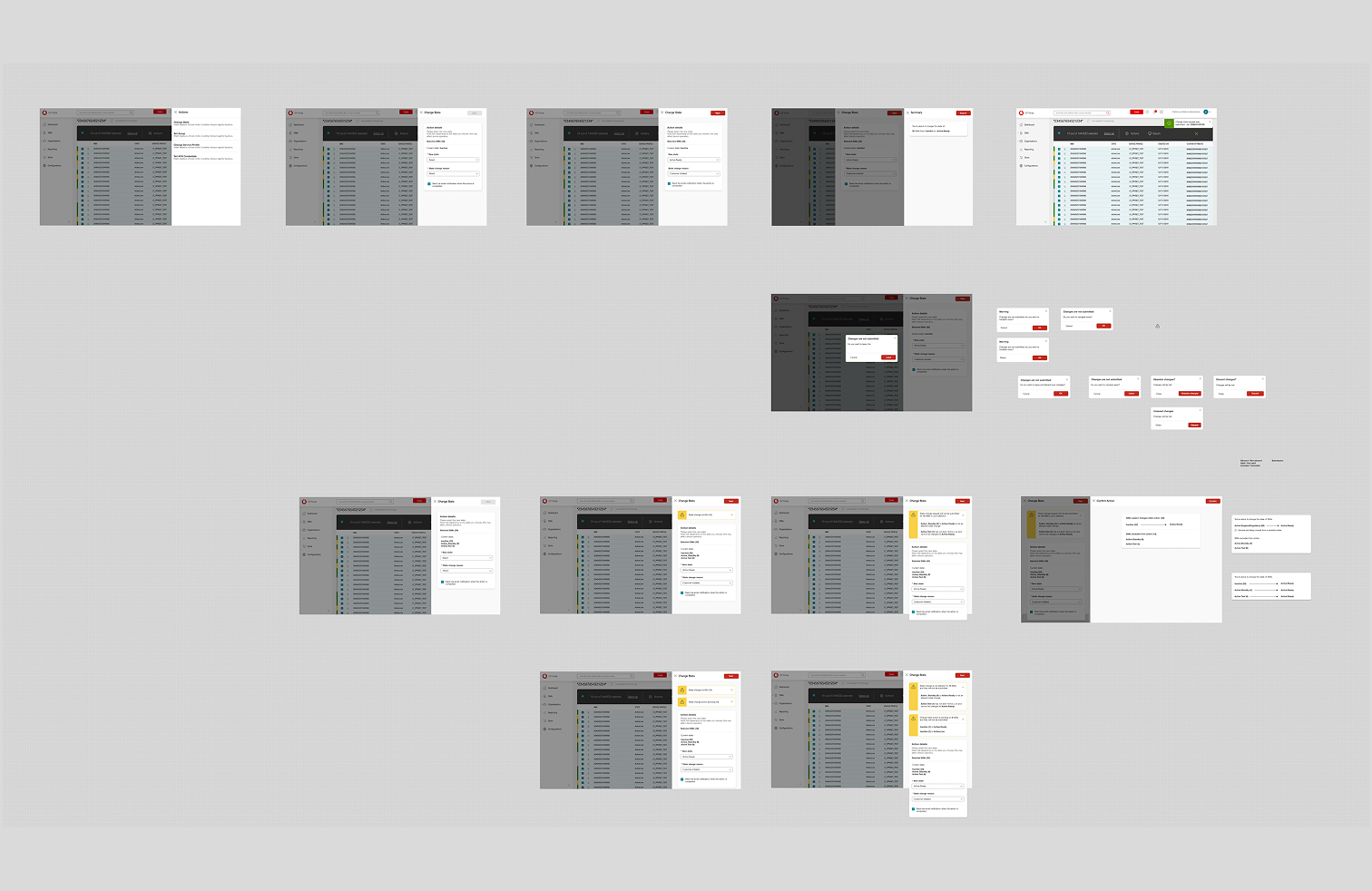
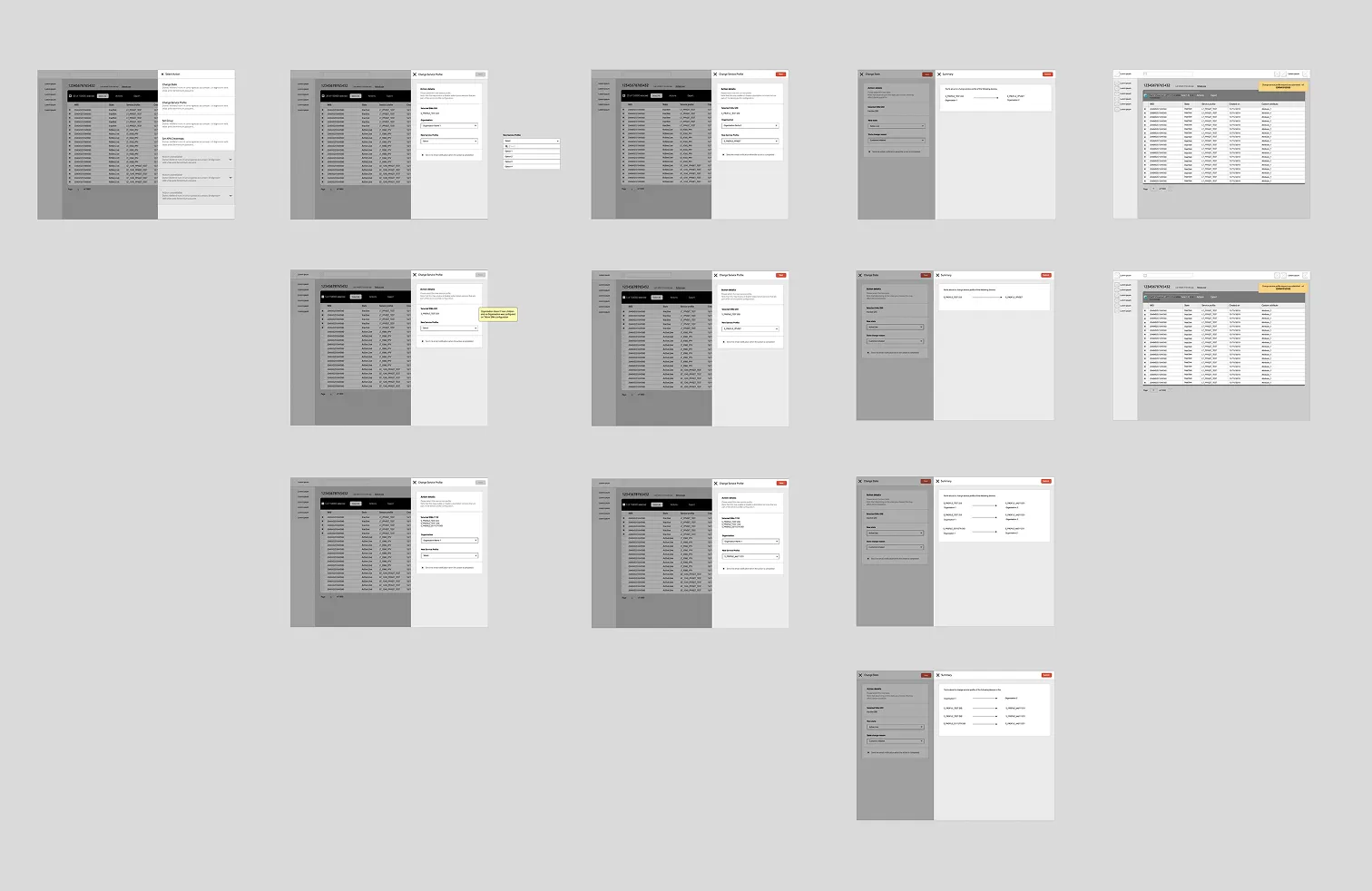
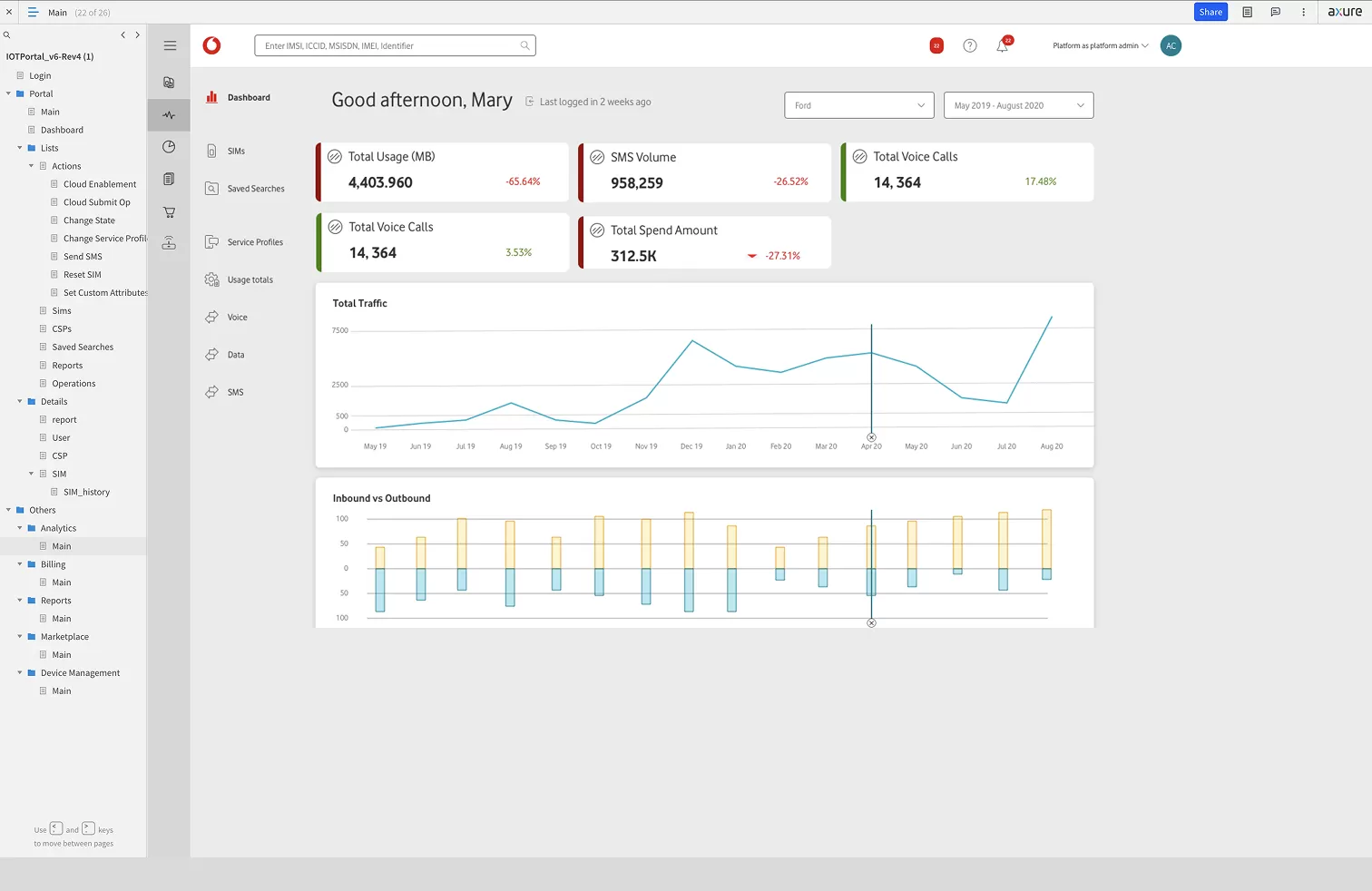
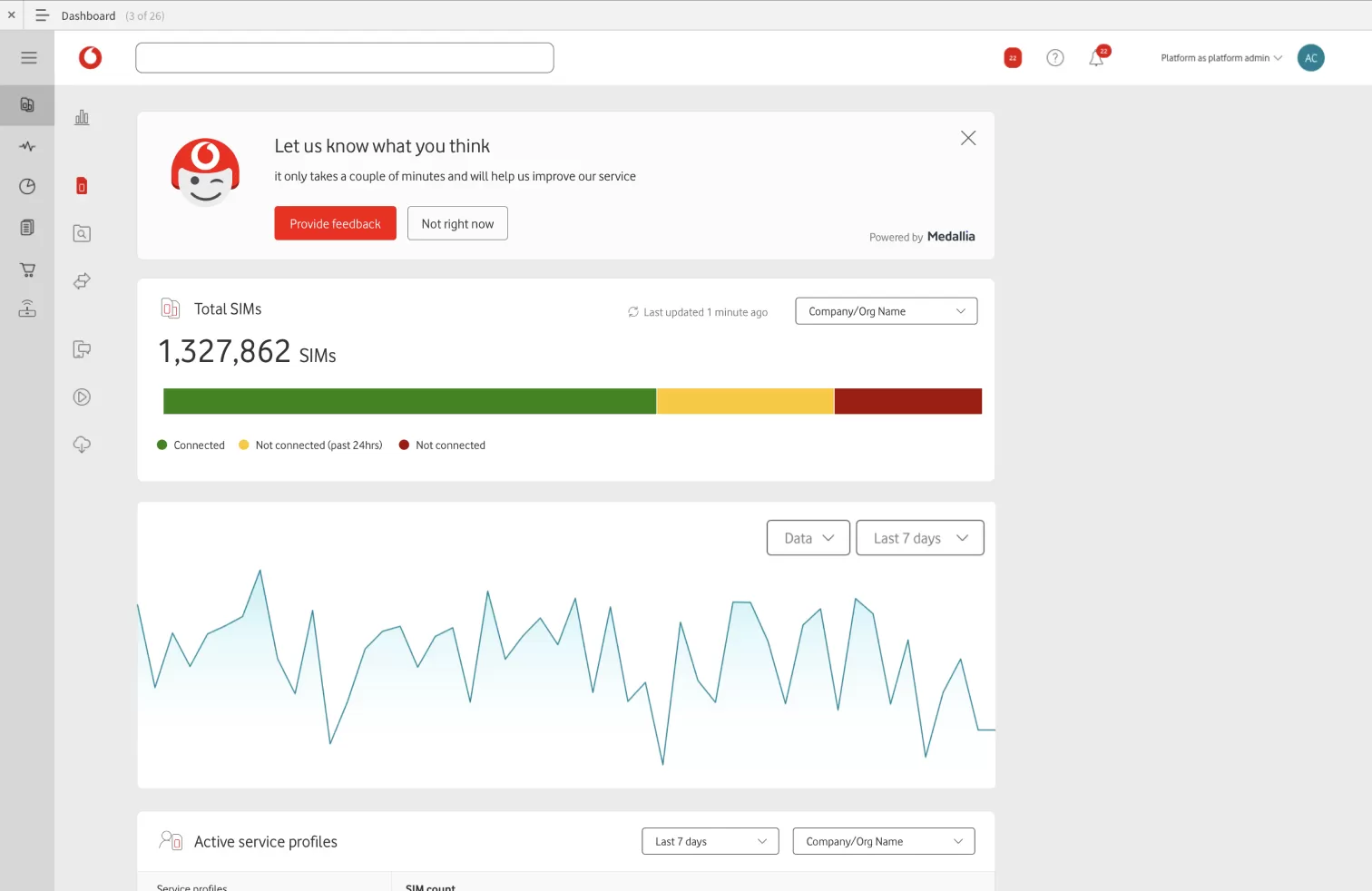
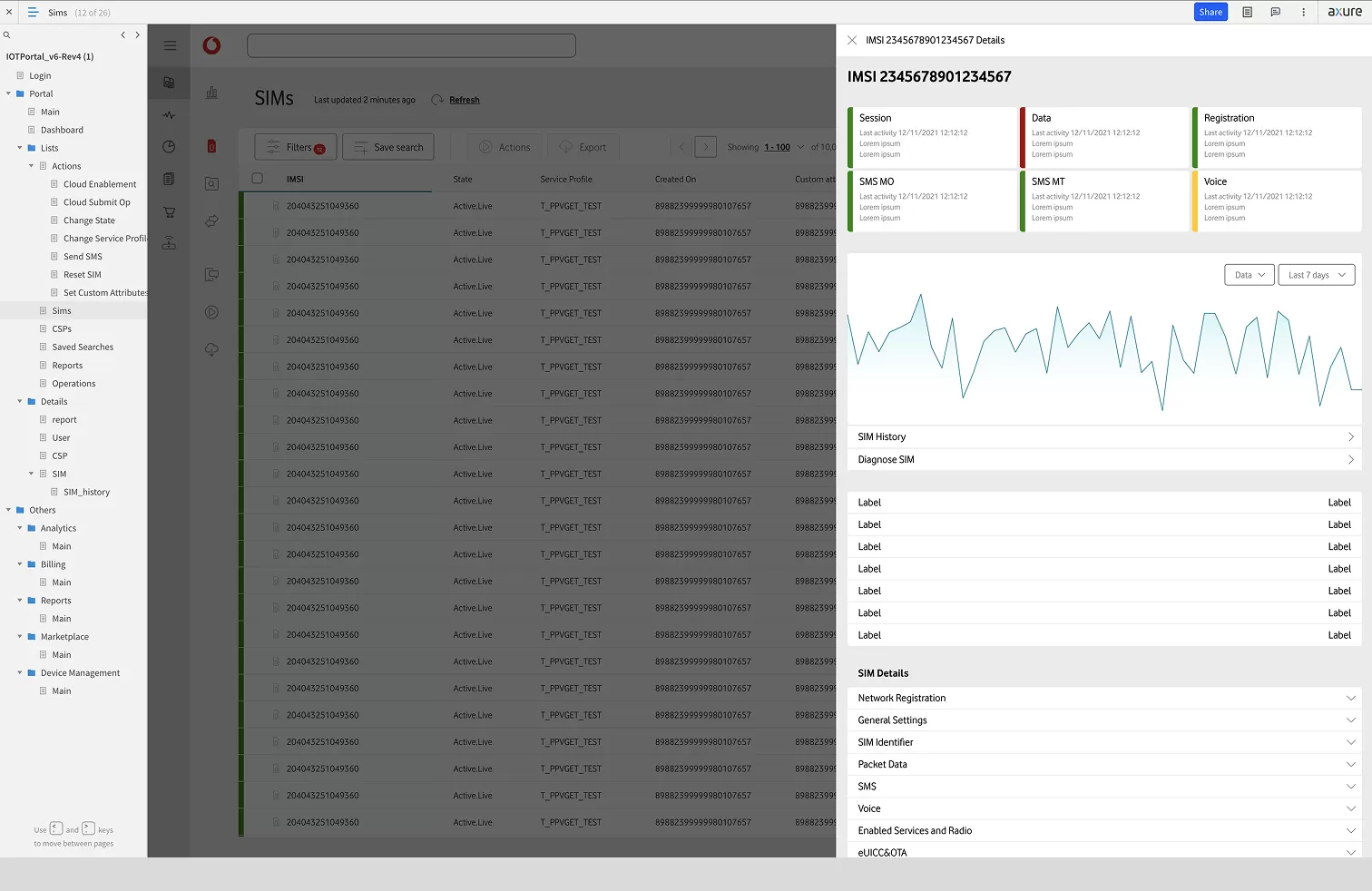
I used Axure and Figma to document existing journeys as well as demonstrating future ones. Used in conjunction with other design assets like user flows it can be a very effective tool in expanding understaning and minimising the chance of missing scenarios.
Prototypes were also our first way of demonstrating and validating new behaviours to the existing user base.
User Flows
Using user flows proved really useful when communicating expected behaviours to developers, testers and to a wider audience including POs, PMs and higher management. The userflows streamlined the understanding of the features, reduced number of defects and overall I think they brought a dramatic increase in the velocity of the teams and quality of the final product
Features Prioritisation
User research findings became really valuable for the management team and they actively used observations from the UX sessions to change the priority of specific features. This way we ensured relevant features would be surfaced sooner to the end user ensures a less desirable experience.
Outcomes